


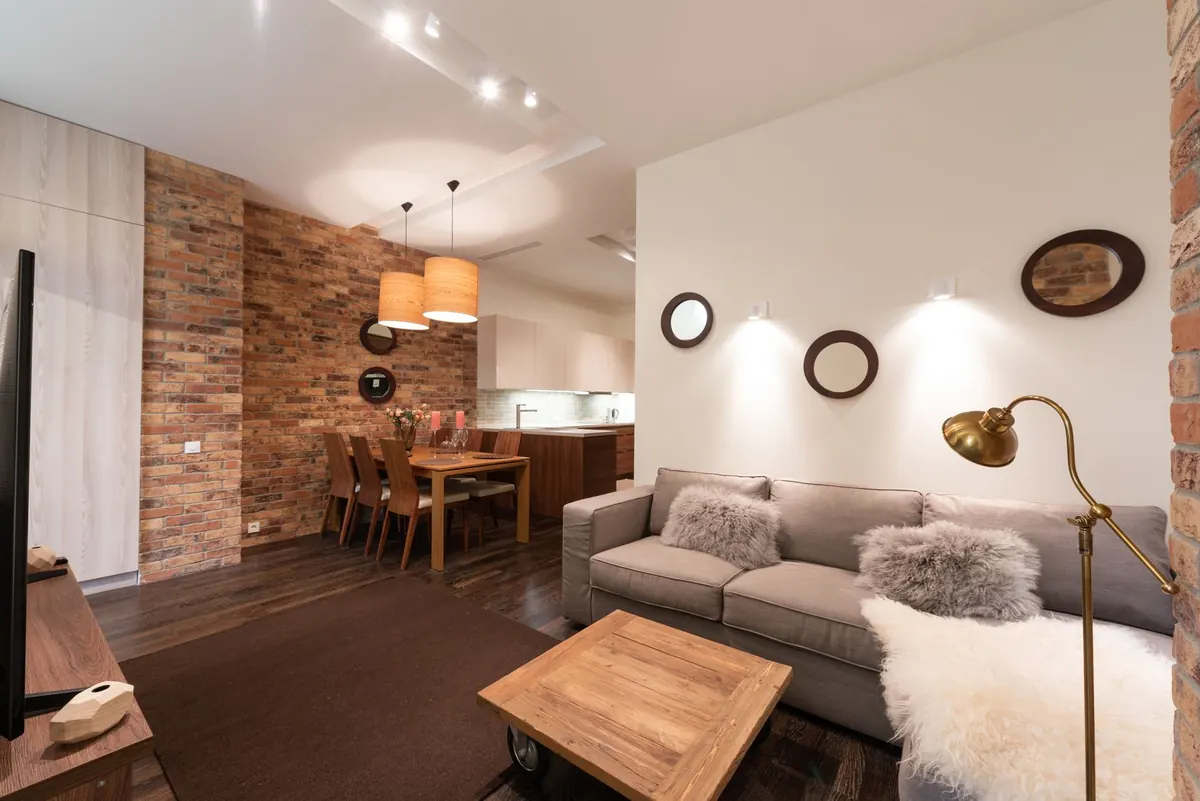

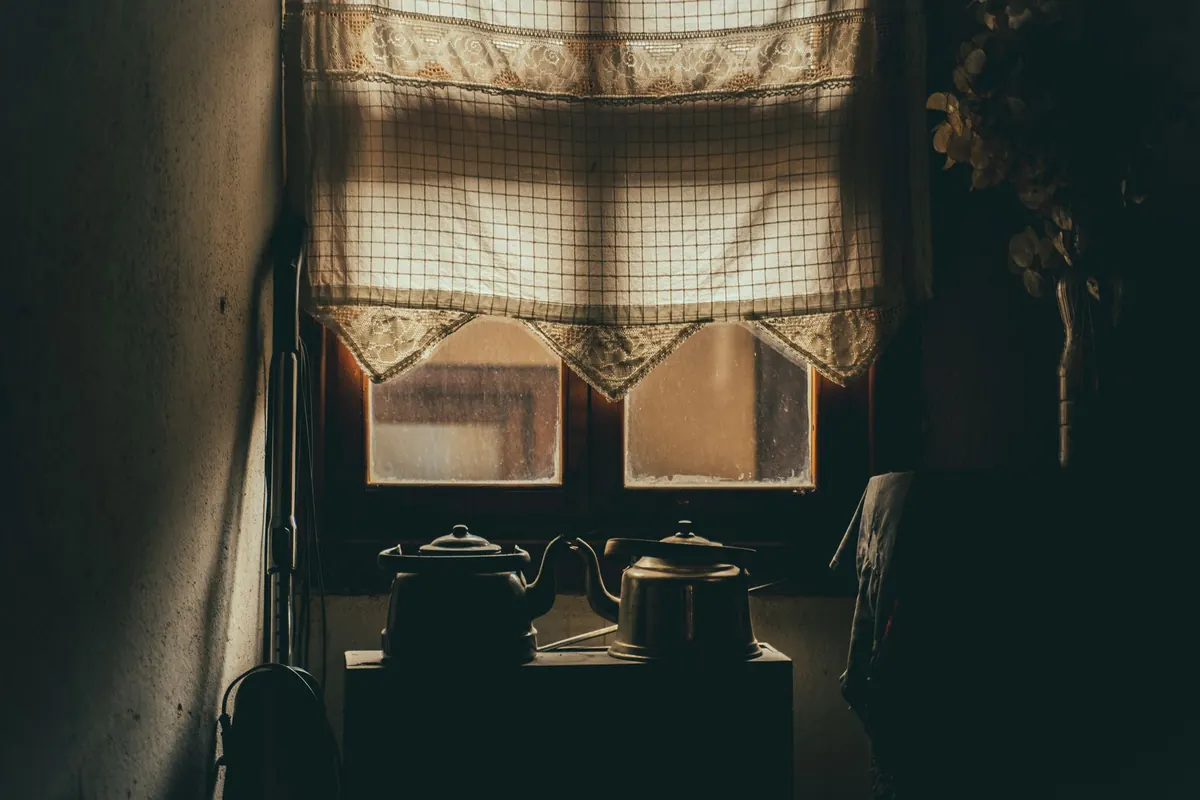
Slow living gets sold as a look: linen aprons, sourdough starter, a copper kettle on a stone hearth. What it actually describes is quieter than that — deciding what deserves your attention and then giving it. Country homes make the decision easier because they arrive with chores attached. There is a woodpile, a gutter that fills with leaves, a garden that ignores your calendar. None of it can be rushed convincingly. That is precisely why a rural house is such a good place to learn the habit.
What Slow Living Means at Home
It is not a rejection of convenience. Nobody sensible scrubs a floor by hand when the mop is in the cupboard, and there is no virtue in a cold house in January. The point is to notice which parts of daily life give the day its shape, and then stop outsourcing those. Pod coffee is fast. Grinding beans and standing at the window while the water heats takes four minutes and changes the mood of the morning.
The test worth using is simple: if you would miss it when it's gone, keep doing it by hand. Laundry on the line in June, yes. Laundry on the line in a wet February, no. Slow living is a series of deliberate choices, not a uniform.
Begin With the First Hour
Mornings set the tone more reliably than anything else in a country home, because they are the one part of the day most people can protect. Before the phone, before the news, before the boiler has properly woken up: open the shutters, step outside, and look at what changed overnight. The wind, the frost, the tomatoes that were green yesterday.
A ten-minute loop
Walk the same short circuit every morning. It doesn't need to be a hike — the length of the garden, round the outbuildings, past the gate.
- Note one thing that needs doing this week, not today.
- Pick up one object that doesn't belong where it is.
- Check or water whatever is most fragile: seedlings, pots, a new hedge.
Then go inside and write down the single task that would make the day feel like a success. One, not six. A country house can absorb every hour you give it, so the discipline lies in choosing where to stop.
Let the House Set the Pace
Decorating slowly is mostly a matter of subtraction. Rural rooms tend to be uneven — a low beam, a window in an awkward place, plaster that refuses to be flat — and the first instinct is to correct them. Usually the better move is to work with the fault rather than against it. That beam is the reason the room feels like somewhere.
Furnish for the life you actually have: boots by the door, a chair by the window where the afternoon sun lands, a table big enough for a tray of seedlings as well as dinner. Buy fewer things and choose the ones that improve with wear — wood, wool, linen, stoneware, brass that dulls. Put the money you would have spent on the second-best version of something towards repairing something you already love.
Guidelines worth keeping:
- Leave one surface empty in every room. It will be used.
- Prefer a repaired chair to a new one you don't need.
- Change small things with the season: a heavier throw, a jug of whatever is flowering, the lamps moved to where you actually sit in winter.
- Fix the lighting before buying anything else. Two warm lamps beat one overhead fixture.
- Keep the entrance practical and generous. Everything else is easier once the door works.
Work the Land in Portions
Gardens fail when they are designed for a person you are not. If you have two spare hours a week, plant for two spare hours. A cluster of herbs by the kitchen door, one bed of things you genuinely eat, a few pots on the step. That is a garden. The rest can be mown or left.
Country tasks reward a rhythm more than a push. Ten minutes of weeding after breakfast beats a lost Saturday. Compost needs turning now and then, tools want oiling before winter rather than after, and the gutter needs clearing when it is full, which is never convenient. Choose one maintenance job a week, put it in the diary, and accept that the list will always exist. That isn't failure; it's the nature of owning land. For anything structural, electrical, or involving trees close to buildings, bring in a qualified professional rather than improvising.
Entertain at a Table, Not at a Stove
The slowest and best meals in a country house are the ones where the cook is also a guest. That means fewer dishes, made earlier, served in the kitchen or outdoors. One large pot of something braised, a bowl of greens, bread, a piece of cheese, fruit. Nobody has ever been disappointed by that table, and the person who made it gets to sit down.
Ask people to bring the thing they are known for — a cake, a bottle, the salad — and mean it. Set the table properly rather than perfectly: a cloth, candles even in daylight, mismatched plates. Eat late and stay long.
A workable order
- Two days before: decide the main dish, check what's already in the cupboard, write a short list.
- The day before: shop, and cook anything that improves overnight.
- Morning of: set the table and arrange the outdoor chairs while it is still cool.
- One hour before: chill what needs chilling, make the dressing, clear a safe path for people arriving in the dark.
- When they arrive: stop cooking. Open something. Sit down.
Keep the scale modest. Eight at a table is easier than twenty in a marquee, and it is the version your guests will want to repeat.
What Slow Living Is Not
It isn't a performance, and it isn't an excuse to let the roof leak. The aesthetic is easy to buy; the habits take a season to settle. It also doesn't require giving up work, the car, or the dishwasher. What it does require is a boundary between the house and the rest of your obligations. A country home can turn into a job if every weekend becomes maintenance, so fix the hours you will work outside and defend the ones you won't. For anything involving money, renovation contracts or land purchases, take proper advice before signing rather than afterwards.
Start With One Weekend
Choose one ritual, one repair, and one meal made for other people. The ritual might be coffee outside before the phone; the repair might be the gate latch you've meant to fix since spring; the meal might be Sunday lunch. Do those three things and notice how the days around them shift. Add one more ritual the following month, and another the month after that.
That is the whole method — small, repeated, and chosen on purpose. A country house will give you plenty of chances to practise.
Photo: Yasin Onuş / Pexels
Related posts
More stories you’ll love reading