
A table set with terracotta and stoneware rarely looks fussy, which is exactly why it works. Both materials carry a little roughness, a little variation in colour, and a stubborn refusal to look brand new. Put them together and you get the thing most rustic styling chases and rarely catches: a surface that seems to have been assembled over time by someone with good instincts rather than a catalogue open on the counter.
The trick is knowing what each material is good at. Terracotta gives you volume, warmth and that soft orange that flatters almost every other colour in a country room. Stoneware gives you weight and a proper eating surface. Once you understand the division of labour, the rest is layering, restraint and a few habits worth keeping.
Two Clays, Two Different Jobs
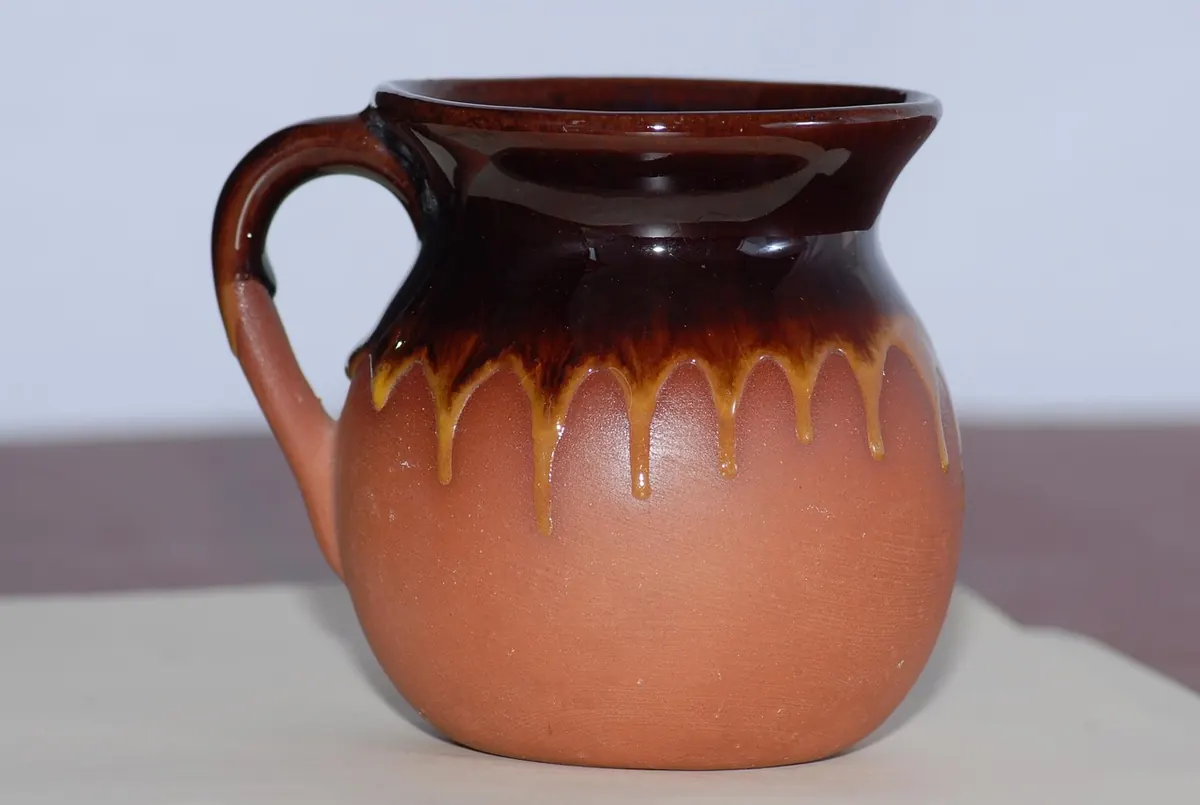
Terracotta is fired at a comparatively low temperature, which leaves it porous, matte and pleasantly soft in colour. It drinks water, it stains, it chips at the rim if you knock it. All of that is part of its charm, but it also means terracotta wants to hold things rather than feed people from. Use it for pots, urns, saucers, small bowls of olives, candle cups, crocks of cutlery.
Stoneware is fired hot enough to become dense and glassy, so it holds liquid without weeping and takes knocks with more grace. That makes it the natural choice for plates, platters, jugs and serving bowls. A grey or oatmeal stoneware plate under a terracotta pot of rosemary looks like a small landscape: warm clay sitting on cool clay.
If you want one rule to keep in your head, make it this: terracotta for height and colour, stoneware for the things people touch and eat from.
Start With the Ground Beneath
Before a single pot goes down, decide what the display sits on. A heavy washed linen runner down the middle of a scrubbed oak table will soften the whole arrangement and hide small scratches. On a painted table, try a length of hemp or a coarse cotton cloth folded in three. A slate board or an old bread board works when you want something darker and more graphic.
Skip the full tablecloth if you can. Runners create edges, and edges are what make a centrepiece look intentional. They also let you change the mood cheaply: dark linen for autumn, undyed for summer, a faded red stripe when the table is set for a long lunch.
Building a Centrepiece in Layers
Almost every good rustic arrangement follows the same sequence. Work through it in order and the display will find its own balance.
- Anchor. Place the largest, heaviest object slightly off-centre. One big terracotta pot, a wide stoneware bowl, a wooden trough. Off-centre is the detail that stops a table looking like a shop window.
- Add middle height. Two or three pots of different sizes, one taller than the anchor, one shorter. Group them in a loose triangle rather than a straight line.
- Bring in something low and wide. A saucer of salt, a small stoneware dish of almonds, a shallow bowl of clementines. Low objects give the eye somewhere to rest.
- Fill the gaps with texture. A folded napkin, a length of jute twine, a few olive branches laid flat, a handful of dried grasses pushed into the smallest pot.
- Let something spill. A trailing plant, a vine of ivy, a cloth casually bunched over the edge of the runner. Spilling softens all those upright cylinders.
- Leave a hole. Deliberately empty space, wide enough for a serving dish to land later. A display that fills the whole table is a display nobody can use.
Let the Plates Do Structural Work
Stoneware plates are not only for eating. A large plate or platter makes an excellent base for a cluster of small pots, and because the rims are usually matte and slightly irregular, they read as part of the arrangement rather than as a tray. Stack three or four plates at one end of a runner with a small pot on top and you have instant height with no risk of toppling.
Mismatched stoneware is better than a matched set here. Two greys, a cream, one with a dark rim glaze. The variation gives the eye something to travel across. Keep the sizes related, though. A dinner plate next to a saucer with nothing in between looks accidental rather than relaxed.
Two small cautions. Put felt pads under unglazed bases if the table is polished wood, and never balance a heavy planted pot on a thin plate with a narrow foot. Stoneware is tough, but it is not interested in your physics experiments.
Textures That Belong and Textures That Fight
Rustic styling lives or dies on texture. These are the materials that tend to sit comfortably next to clay, and the ones that usually spoil it.
- Good: coarse linen, hemp, jute, raw cotton, aged wood, slate, unglazed clay, beeswax candles, thin brass or aged pewter, olive and eucalyptus stems, dried grasses, quince, pomegranates, small gourds.
- Also good: glass, used sparingly. A plain tumbler or two keeps the display from feeling too heavy.
- Avoid: satin and poly-blend cloth with a sheen, plastic fruit, anything with glitter, heavily patterned china, and four or five competing glaze colours in one arrangement.
The test is simple. Touch everything on the table and ask whether it feels like something a person could have carried in from the garden or the kitchen. If the answer is no, it usually shows.
Water, Dirt and Weight: The Practical Side
Terracotta wicks moisture. A soaked pot placed directly on wood will leave a ring before the evening is over, so use a saucer, a liner, or a small square of cork underneath. If you are planting into terracotta for a table display, soak the empty pot for an hour first, then line it with a plastic nursery pot and slip the plant inside. The pot stays clean, and you can swap the planting with the season.
If you want to seal a terracotta saucer that will hold damp moss or a candle, a brush-on stone sealer from a hardware shop will do the job; let it cure fully outdoors before it goes near food. And treat unglazed terracotta as decorative rather than as a serving surface. Old glazes of unknown origin can contain metals you would rather not eat from, so keep food to stoneware, glass and glazed ware you trust.
Weight matters too. Stoneware serving pieces are heavy, and a long runner loaded with pots and platters gets heavier than people expect. Spread the load along the table's supports, and move the whole display rather than sliding it when you need the space back.
Change It With the Season, Not the Shopping List
The same six or seven pots will carry you through a year if you change what is in them. Spring: small narcissi, grape hyacinths, a few stems of flowering currant. Summer: basil, cherry tomatoes still on the vine, a jug of wildflowers that look picked rather than bought. Autumn: gourds, quince, dried hydrangea heads, a scatter of chestnuts in a shallow bowl. Winter: bare twisted branches, citrus, bay leaves, candles in terracotta cups.
Rotate one element at a time. Two changes read as a refresh; five read as a different table entirely, and you lose the accumulated character that made the arrangement good in the first place.
The Five-Minute Reset
Before guests arrive, clear everything off, wipe the runner, and rebuild in this order: anchor pot, two supporting pots, one low dish, one piece of cloth, one thing that spills, one deliberate gap. Add candles last and light them a few minutes before people sit down. Put the serving dishes where they will actually go so nobody has to reshuffle the centrepiece at the table.
Then leave it alone. A rustic table is at its best when it looks slightly unfinished, a little dusty at the rim of the pot, with a leaf out of place. Straighten it too much and you lose the whole point.
Photo: Dirgon / Pixabay
Related posts
More stories you’ll love reading