



Autumn in the countryside arrives with a particular smell: damp earth, woodsmoke, the last tomatoes going soft on the vine. It is the season that quietly decides how the garden will look next spring, and yet it rarely gets the attention that spring does. The work is slower than planting out in May, and far less photogenic, but it carries more weight. What follows is a working checklist organised by month, written for a garden with vegetables, a few fruit trees, mixed borders and a compost heap that has been doing its job all summer. Shift the timing to suit your own ground — a garden in the far north will run a fortnight or three weeks ahead of one on a sheltered southern slope.
September: Clean Up, but Don't Sweep the Garden Bare
The instinct in early September is to tidy everything into submission. Resist it. A garden stripped to bare soil by the end of the month loses seedheads for the birds, hollow stems for overwintering insects, and the small shelters that make a place feel alive in March. Cut back what has genuinely finished: mildewed courgette plants, collapsed annuals, tomato vines showing blight. Diseased material goes in the bin or on the bonfire, never on the compost heap. If blight has struck the tomatoes, bag the vines as you cut them rather than dragging them through the plot, and wash your hands and tools afterwards.
Harvest is the other half of the job. Lift maincrop potatoes on a dry day and let them sit on the soil surface for an hour or two to dry and set their skins before storing. Pick the last runner beans before they turn stringy. Bring squash in with a length of stem attached and cure them somewhere warm and dry for a week. Check stored onions and garlic for soft necks before they go into nets; one rotten bulb will soon travel through the whole rope.
Your September list, roughly in order:
- Clear spent annuals and diseased foliage; compost only the healthy material.
- Collect fallen fruit daily under apple and pear trees to break the pest cycle.
- Rake leaves into a wire bin to make leaf mould — it takes a year, and it is worth it.
- Cut the lawn a little longer than in summer and give it a final high-cut before growth stops.
- Sow a green manure on any bed that will sit empty until spring.
- Order garlic, bare-root fruit and spring bulbs now, while the choice is good.
- Save seed from healthy beans, calendula and nigella, and label the packets properly.
Late September to October: Feed the Soil While It Is Still Warm
Bare soil through winter is wasted soil. Rain washes nutrients out of it, weeds colonise it, and the structure slumps. The fix is cheap: keep it covered. Field beans, winter rye, phacelia and grazing rye all germinate in autumn warmth and hold the ground until spring. Mustard is fast and useful, but it is a brassica, so don't follow it with cabbages or kale. If you would rather not sow, a thick mulch of compost, straw or well-rotted manure does much the same job and saves a spring cultivation.
Spread well-rotted compost or manure on beds you aren't cropping and let the worms work it in over winter. On heavy clay, stay off the soil when it is wet — walking on saturated ground compacts it into brick, and no amount of spring forking undoes that properly. Use planks to spread your weight, or simply wait.
If you have never had your soil tested, an autumn test is a sensible investment. Lime and fertiliser decisions made on guesswork usually make things worse; apply lime only when a test says the pH needs it, and never at the same time as manure. Keep a rough map of what grew where, too. Rotating crops is much easier when last year's plan is written down rather than remembered over a cup of tea in February.
October: Plant What Needs a Head Start
October is the planting month, and it is generous. Garlic goes in now, pointed end up, two inches deep and a hand's width apart — it needs a cold spell to split into proper bulbs. Bare-root fruit trees, raspberries, blackcurrants and hedging are best moved while dormant, and autumn planting gives roots weeks of warm soil to settle before the freeze.
Plant at the depth the plant was growing before, never deeper. Water in well even if rain is forecast, firm the soil, and keep mulch clear of trunks and stems so they don't rot. Stake and tie young trees loosely, with a spacer so the tie doesn't rub. On heavy or waterlogged ground, plant fruit trees on a slight mound and let the roots sit a little proud of the surrounding soil; they will settle without drowning.
Daffodils and other spring bulbs can go in from now. Tulips are the exception — leave them until November or even early December. Cooler soil reduces the risk of tulip fire, and later planting also keeps squirrels guessing.
November: Protection, Repairs and the Quiet Jobs
By November the garden is mostly about shelter. Check tree guards and stakes before the first gale. Group pots together against a sheltered wall and stand them on feet so water drains rather than freezing around the roots. Insulate the greenhouse with bubble wrap, but keep a vent open on mild days — damp air in a closed house does more damage than cold.
Then work through the maintenance that nobody notices until it's missing:
- Drain hoses, empty water butts' overflow, and store watering cans dry.
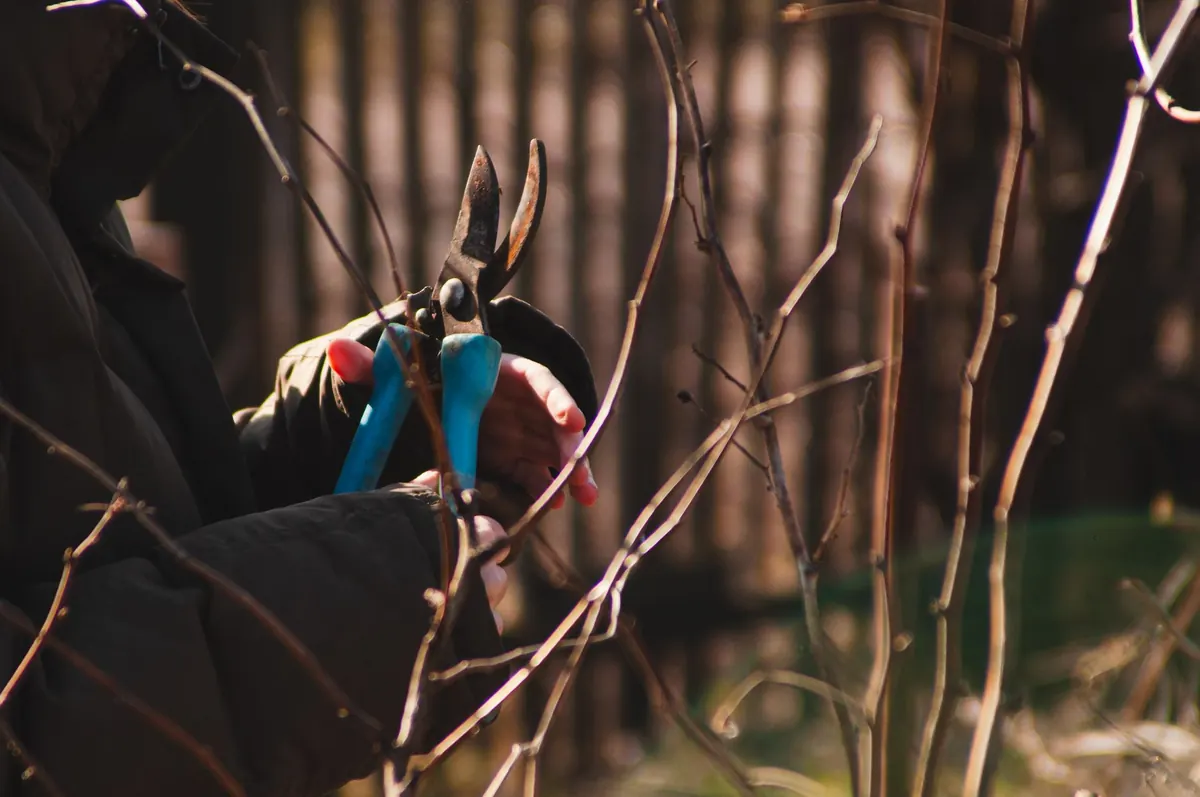
- Clean, dry and oil hand tools; sharpen secateurs and the spade edge.
- Service the mower and run the fuel out before storage.
- Clean out the greenhouse glass and wash seed trays.
- Check stored squash, apples and onions for rot; one bad fruit spoils a crate.
- Turn the compost heap and cover it to keep the rain out.
Hold back on fleece and plant cosies until a real frost is forecast. Wrapping early traps damp and can soften growth that would otherwise have hardened off on its own.
What to Leave Standing
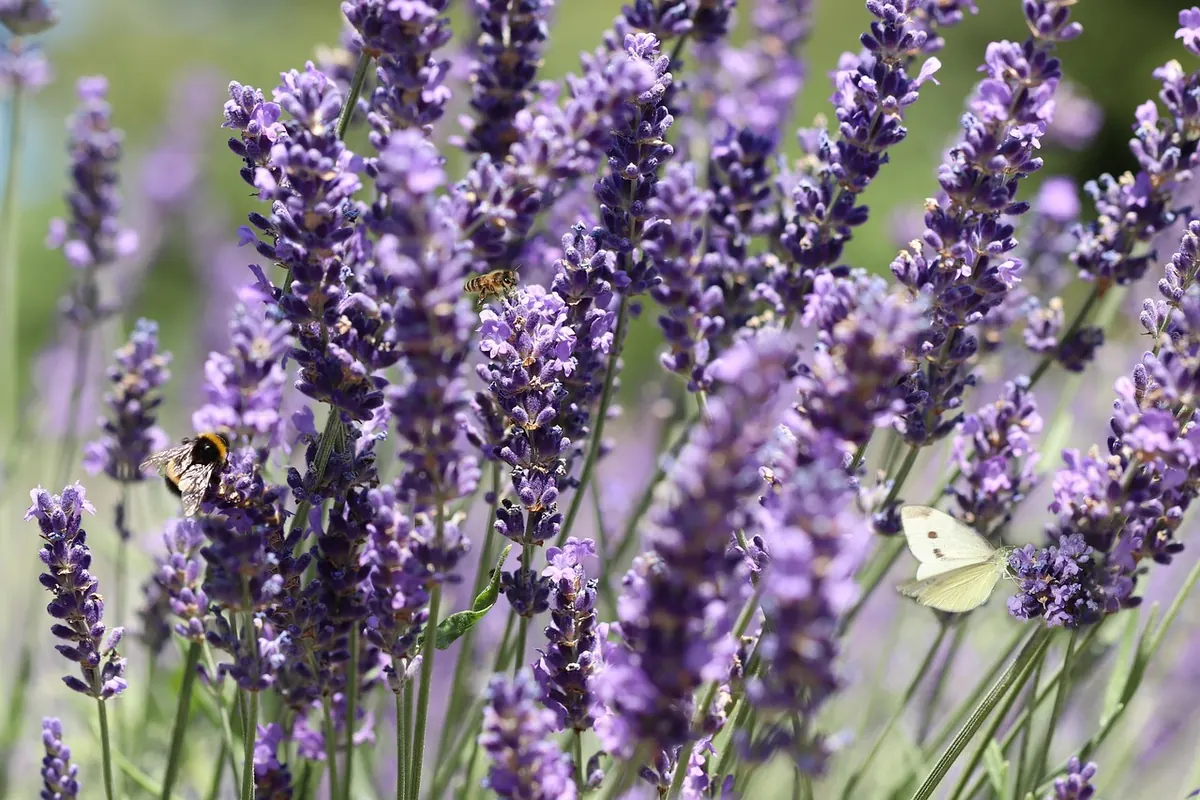
A good autumn tidy is selective, not surgical. Leave the seedheads of teasel, fennel, sedum and sunflowers for goldfinches and tits. Leave hollow stems of perennial grasses and old raspberry canes in a bundle at the back of the border; solitary bees and ladybirds use them as winter quarters. A small pile of leaves in a quiet corner will do more for hedgehogs than a bought-in shelter, and a stack of logs will keep beetles and fungi busy until spring.
The same applies to leaves on the border. They are not untidiness; they are mulch, insulation and habitat in one. Rake them off paths and lawns, but let them lie among shrubs and perennials. The garden will look softer in November and better fed in May.
Store, Label and Learn
Before the season closes, make the store cupboard and the notebook work for you. Check apples and squash every fortnight, removing anything that softens or spots. Keep onions and garlic in nets where air can move around them, not in sealed boxes. Clean terracotta pots and seed trays now, so that spring sowing is not delayed by a morning of scrubbing.
Finally, write down what happened. Note which tomato variety shrugged off blight, which bed stayed waterlogged after a week of rain, and where the slugs did the most damage. A few lines now will save you from repeating the same mistakes next year, and they will make the winter seed catalogues far more useful.
A Short Word on Rest
The temptation, once the checklist is done, is to keep finding jobs. Don't. A country garden is supposed to look lived-in in November, with seedheads standing, leaves in the border and the compost heap steaming quietly in a corner. Keep a notebook over winter — note what cropped badly, which beds stayed waterlogged, where the slugs won. Your garden needs the pause as much as you do, and the spring planning will be better for it.
Photo: Boryslav Shoot / Pexels
Related posts
More stories you’ll love reading