


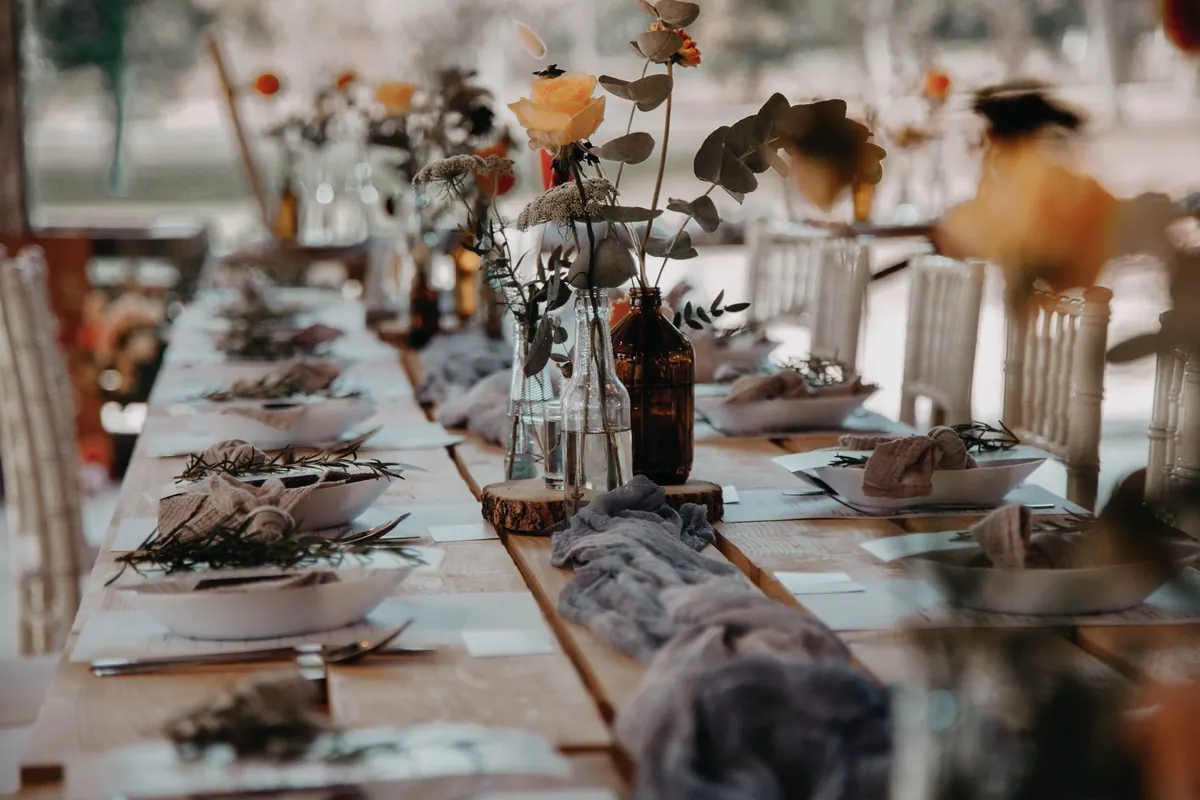
A heavy damask cloth on a pale oak table. A striped runner thrown across a plain console. Four faded napkins folded loosely beside modern cutlery. This is where vintage linen earns its keep: it softens hard edges, and the clean lines of the furniture stop it from drifting into period-film territory. The trick is not to decorate around the cloth but to let it work — deliberately, sparingly, and in the places you actually use every day.
Take stock before you style anything
Pull everything out first — the drawer of napkins, the cupboard of tablecloths, the box you inherited and never opened. Wash what can be washed, air what cannot, and sort into three piles: everyday, good, and needs mending or repurposing. You will style from the first pile far more often than you expect, and the third pile is not a failure. A stained cloth with a torn corner still has a life as a runner once the damaged end is folded under.
Then measure, because vintage linen was cut for older furniture. Many modern dining tables are wider than the cloths people kept fifty years ago, so a piece you love may not drop at the sides at all. As a rule, a cloth that hangs 20–30cm on each side reads as intentional; one that stops short looks like a mistake. If a cloth is too small for the table, use it as a centre runner, drape it over a side table, or fold it in half across the back of a bench.
Let the furniture set the tone, then soften it
Work the other way round from how most people do it. Look at the surface first, then choose the cloth to answer it. The smoother and more geometric the furniture, the more texture and rumple the linen can carry. A glass-topped table or a chrome-framed chair feels cold and slightly clinical without something coarse and aged nearby — a rough, thick linen cloth is exactly the right anchor. A matte oak refectory table, by contrast, is already warm, so keep the linen crisper and simpler there or the whole thing turns muddy.
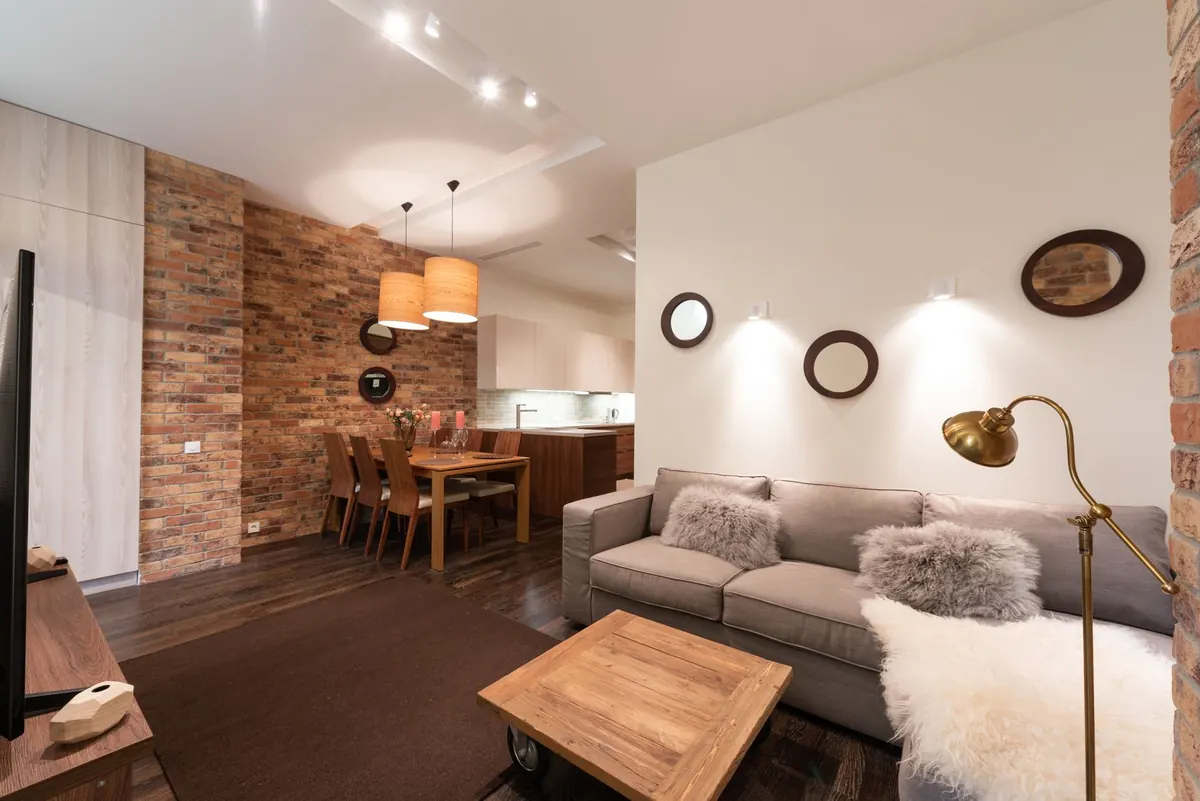
Dark painted furniture takes off-white and oatmeal beautifully. Pale ash and bouclé upholstery suit faded indigo, soft rust, and old French red stripes. If you have a sofa with clean square arms, a single folded cloth over one arm — not both — is a cheap way to break the symmetry without adding another cushion to the pile.
If in doubt, go one shade warmer than the room
Cool grey paint and cool grey linen together flatten a room. A slightly warmer cloth, cream rather than white, oat rather than stone, brings back the light.
Keep the palette narrow
Three tones is plenty. Ecru, oatmeal and one faded colour will carry a whole room. The temptation with vintage textiles is to buy every pretty stripe you find, and the result is a table that looks like a market stall. Choose one colour that repeats elsewhere — the stripe of an old tea towel picked up by a jug, a chair painted years ago, the enamel of a dish — and let the rest stay quiet.
Pattern mixing works best when the weaves differ more than the prints do. A heavy damask with a light huckaback runner, a coarse grain sack cloth under a fine napkin, a plain cloth with one striped one laid across it. Two heavy damasks together will fight. Two fine pieces together will disappear.
How to layer a table without fuss
- Start with one plain cloth slightly larger than the table. If the cloth is heavy damask, stop there. It does not need help.
- Add a runner, and consider placing it across the table rather than down the middle. Across the width, it breaks up a long dining table and gives each place setting a natural home.
- Mix weaves, not patterns. Put the textured piece on top, where the eye lands, and the smooth one underneath.
- Fold napkins loosely and skip the ironed crease down the centre. If you want polish, press only the border and let the middle fall where it wants.
- Leave one thing undone. A corner turned back, a runner sitting slightly off-centre, one napkin a different colour from the other three. That small irregularity is what keeps the arrangement from looking like a shop display.
Get the drop and the folds right
Proportion does more work here than any styling trick. On a dining table, a 20–30cm drop is generous and practical. On a console or sideboard, go shorter — 10–15cm — so the cloth reads as a deliberate layer rather than a cover-up. Floor-length only works if the top of the table stays plain: one heavy cloth dropping to the floor, nothing else on it except a bowl.
And rotate your folds. Vintage linen that is pressed on the same crease for years will weaken along that line and eventually split. Fold it a different way each time, or roll the pieces you use rarely and store them in a dry cupboard, never damp and never in a plastic bag.
Care that keeps the linen honest
Wash in cool or lukewarm water with a gentle detergent, no bleach, and test any coloured piece in a corner first — old reds and indigos can run. A long soak in an oxygen-based cleaner lifts most food stains without punishing the fibres. Dry in the shade, which slows the fading you may or may not want.
Resist the urge to iron everything flat. A slightly rumpled cloth suits a country room, and pressing old linen to a glassy finish only makes it look new, which is the opposite of the point. Mend visible tears with a simple running stitch and keep the patch visible; it is part of the piece's history, and it gives you permission to use the good cloth on an ordinary Tuesday.
Start with one surface this week
Choose a single table, console or bench. Measure it, pick one cloth from your everyday pile, and put it down without adding anything else. Live with it for a week and notice where your eye keeps landing. Then add a second piece — a runner, a folded napkin, a cloth over a chair back — only once the first feels settled. Layer slowly, keep the furniture visible underneath, and the room will read as a country home that happens to own old linen rather than one dressed up to look like it.
Photo: Peter Fazekas / Pexels
Related posts
More stories you’ll love reading